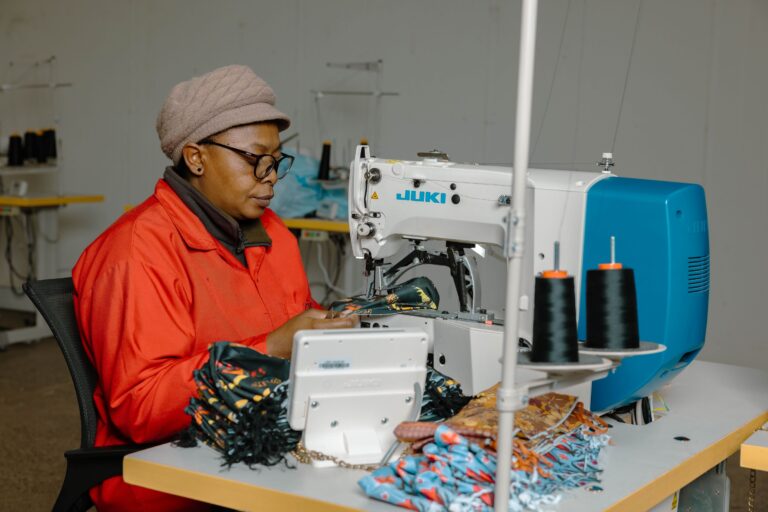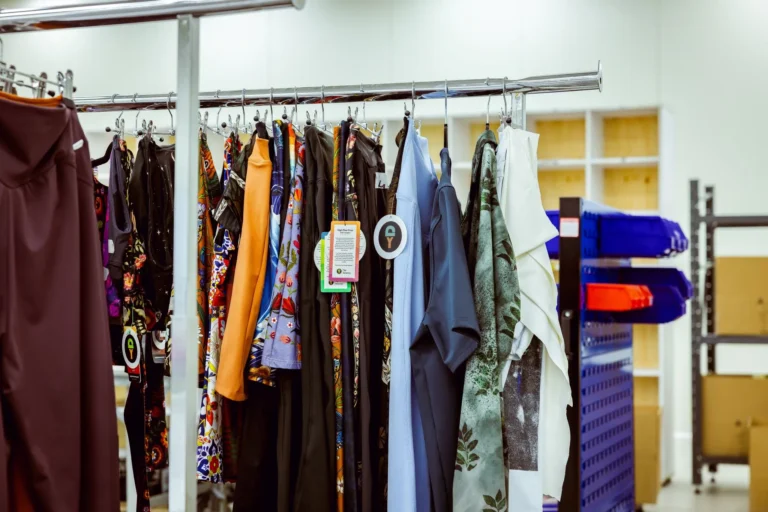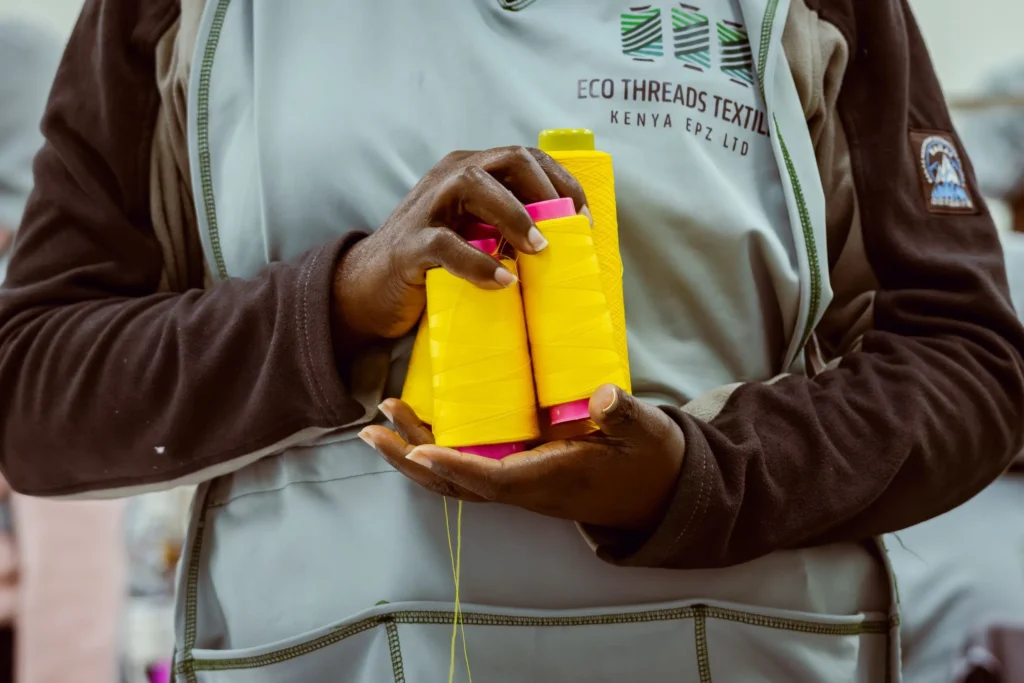
When a consumer picks up a garment off a retail rack or unboxes an online order, they interact with the final product: the color, the fit, the fabric weight, and the precise stitching. What remains invisible to the untrained eye is the human network behind that garment. Fashion is, at its core, a deeply human industry built on the hands of skilled artisans, machine operators, quality control specialists, and designers.
That is why ethical production is far more than a marketing buzzword, it is the foundational heartbeat of modern apparel production. Without ethical supply chains and a deep commitment to human dignity, true sustainability is impossible.
Putting People First Within the EPZ Framework
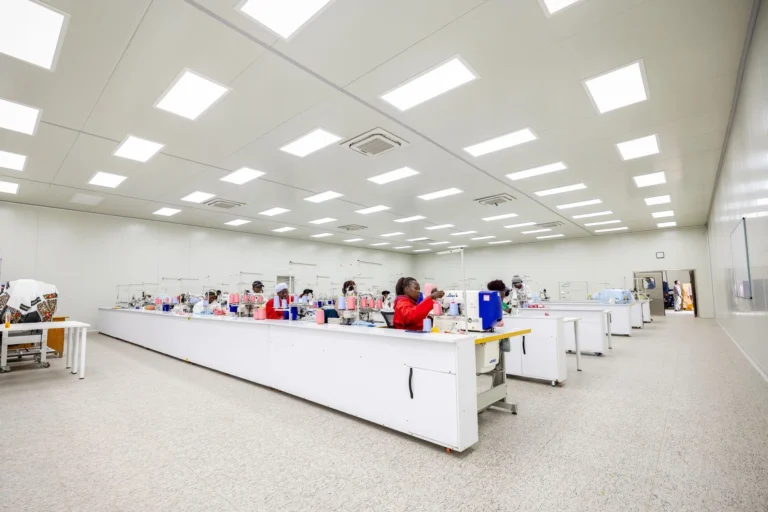
Operating within Newvasha Development Export Processing Zone (EPZ) gives Eco Threads Textiles a unique platform to demonstrate that large-scale industrial manufacturing can actively uplift communities. Ethical manufacturing requires a holistic approach to workforce welfare, extending far beyond basic compliance.
True ethical production is built on several non-negotiable pillars:
- Fair Compensation and Financial Security: Providing stable, equitable wages that allow workers to support their families, invest in their homes, and plan for the future with confidence.
- Safe, Ergonomic Working Conditions: Maintaining rigorous health and safety standards across the factory floor, ensuring proper ventilation, ergonomic workstations, and comprehensive safety protocols.
- Dignity and Respect: Cultivating an inclusive, supportive workplace culture where every team member’s voice is heard, valued, and protected.
When workers are treated with dignity, absenteeism drops, morale soars, and the quality of craftsmanship naturally rises. Happy hands make better garments.
Skill Development and the Rise of Local Craftsmanship
Ethical production also means investing in the long-term career growth of the people on the floor. In many developing manufacturing hubs, training programs are treated as an afterthought. At Eco Threads Textiles, continuous skills development is woven into daily operations.
By pairing experienced master seamstresses with incoming talent, we foster an environment of continuous learning. Workers master advanced technical sewing, intricate pattern adjustments, and international quality control standards. This not only elevates the standard of Kenyan garment manufacturing on the global stage but also transforms entry-level employment into lifelong, sustainable careers.
When a designer or seamstress sees their work shipped to international markets, knowing their expertise made it happen, it instills a profound sense of local and professional pride.
The Evolving Consumer: Demanding Transparency
Today’s consumers are more informed and discerning than ever before. They want to know the story behind their clothes. They ask questions about who made their garments, under what conditions, and with what environmental cost.
This shift in consumer consciousness has created a massive commercial incentive for transparency. Brands that rely on opaque supply chains risk severe reputational damage when ethical lapses are uncovered. Conversely, brands that partner with certified, ethical manufacturers build unbreakable consumer loyalty.
Ethical textiles and transparent production processes act as a powerful trust signal. When a brand can proudly state that its garments were produced in a facility that champions fair labor and worker empowerment, it transforms passive shoppers into passionate brand advocates.
Building a Human-Centric Future for Fashion
The future of fashion belongs to companies that recognize profit and people are not mutually exclusive. By anchoring ethical production at the core of our operations, Eco Threads Textiles helps global brands deliver products they can be proud of, from the first stitch to the final export box.
Ready to align your brand with a manufacturing partner that values people as much as product quality? Reach out to Eco Threads Textiles today to learn more about our production standards and ethical framework.